Introduction
In today’s fast-paced digital landscape, the reliance on portable power solutions has become more pronounced than ever. As smartphones, tablets, and laptops have transitioned from luxuries to essentials, the need for reliable and efficient power banks has surged. Consumers are increasingly seeking devices that not only provide robust charging capabilities but also complement their mobile lifestyles.
The Anker brand, a prominent player in the portable charger market, has introduced several models designed to meet varying needs. Among these, the Anker 737 and Anker 548 power banks have garnered attention for their advanced features and specifications. The Anker 737 boasts rapid charging capabilities, while the Anker 548 emphasizes high capacity with efficient energy management. Each product presents unique advantages that cater to distinct consumer preferences.
This blog post aims to compare the Anker 737 and Anker 548, focusing on their respective features, performance, and user functionality. By examining these attributes, potential buyers will be equipped with the knowledge necessary to make an informed decision on which power bank better suits their individual needs. Whether users prioritize swift charging for on-the-go convenience or prefer a power solution that can sustain multiple devices over extended periods, understanding the nuances of each model is critical.
As we delve deeper into the comparison of these two products, we will explore their specifications, user experiences, and overall value. This thorough analysis will not only highlight the strengths and weaknesses of each power bank but also provide insight into how each can enhance the digital lives of its users.
Performance and Specifications
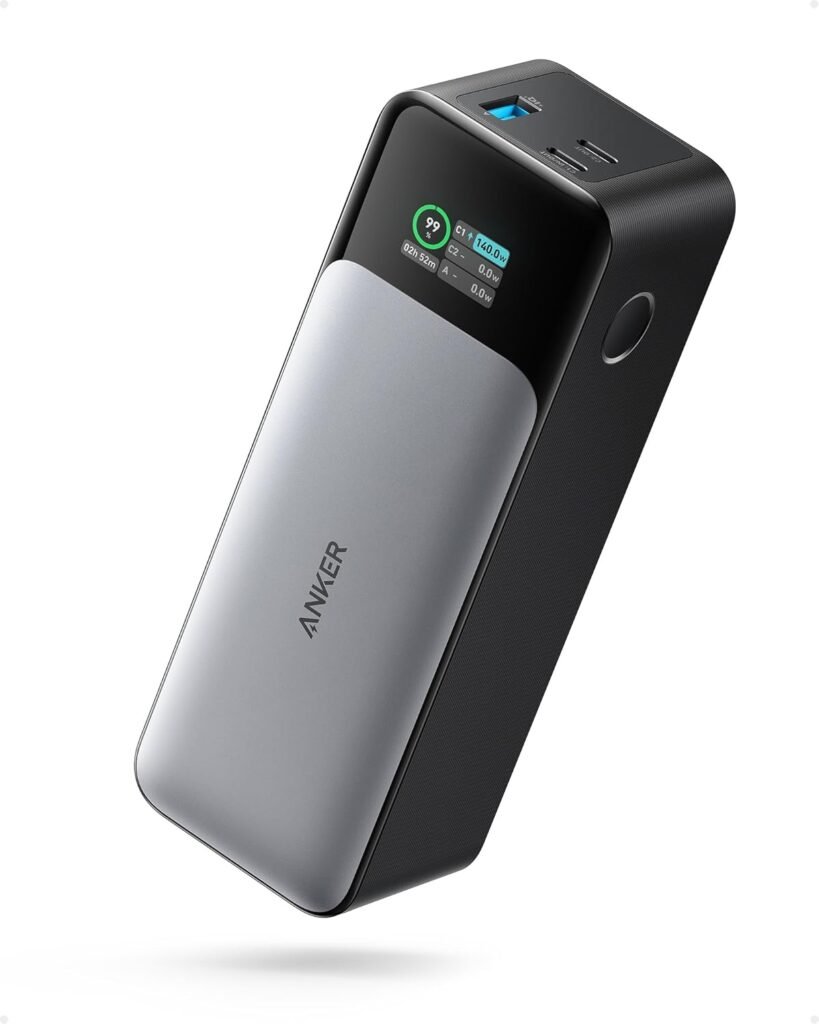
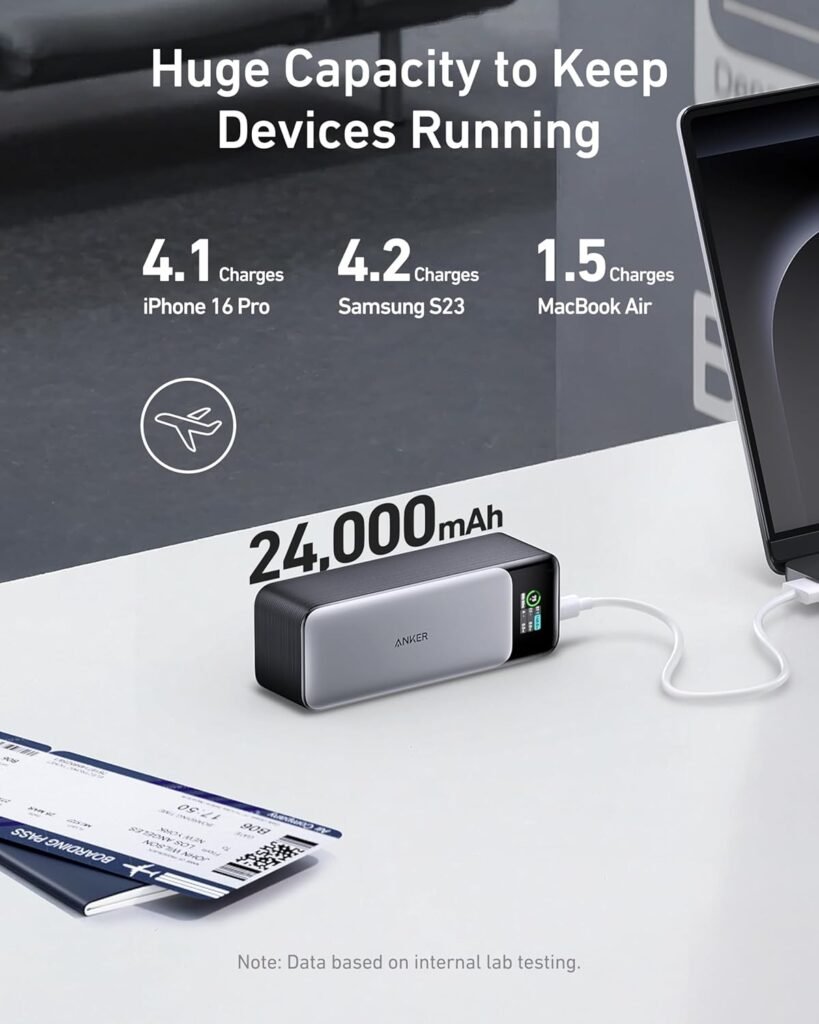
When evaluating the Anker 737 and Anker 548 power banks, it is essential to examine their performance and specifications closely. Both models are equipped with impressive features that cater to the diverse needs of users seeking reliable power solutions. The Anker 737 boasts a substantial battery capacity of 24,000 mAh, offering enough power to charge a smartphone multiple times before requiring a recharge. In contrast, the Anker 548 presents a slightly lower capacity at 20,000 mAh, which still provides ample energy for most typical consumer devices.
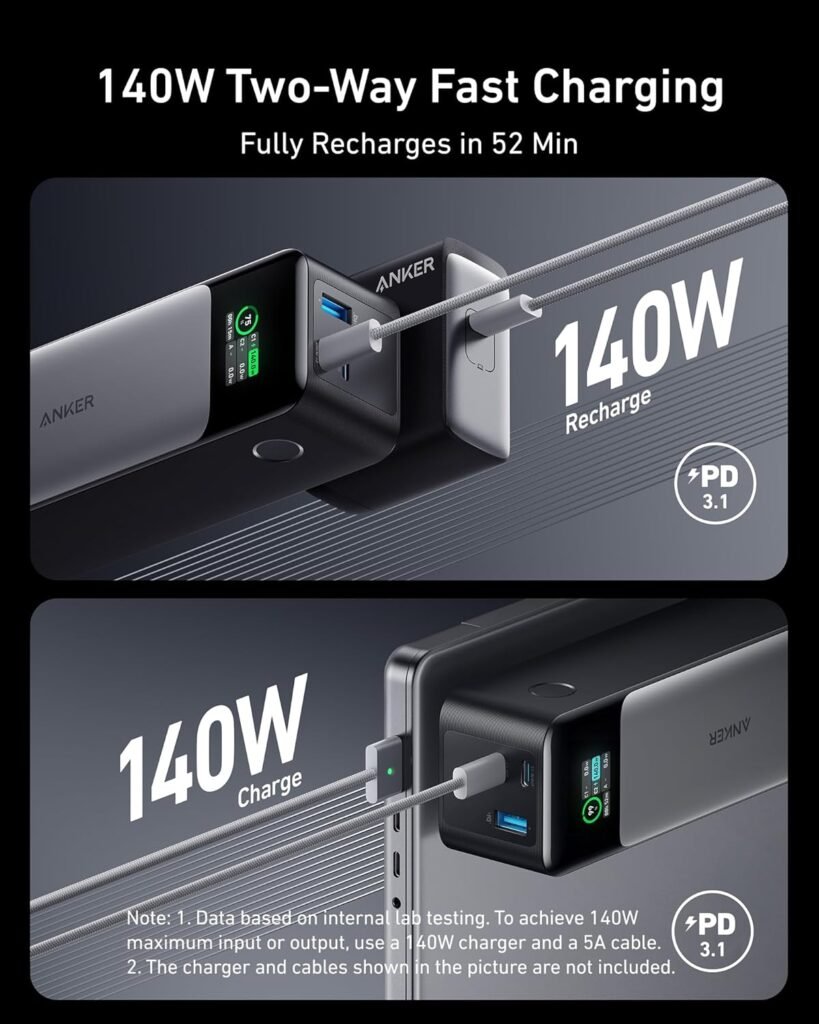
In terms of output power, the Anker 737 delivers up to 140W of total output, allowing charging for several high-demand devices simultaneously. This makes it particularly suitable for users with multiple gadgets or those needing to power laptops and tablets quickly. The Anker 548, while delivering 65W, can still accommodate fast charging for smartphones and smaller laptops, making it a solid choice for everyday users.
Charging speed is another critical factor to consider; the Anker 737 supports Power Delivery 3.0, which ensures rapid recharge for compatible devices. It can often charge most smartphones to about 50% in approximately 30 minutes, enhancing usability during on-the-go scenarios. Similarly, the Anker 548 also features fast-charging capabilities but may not reach the same benchmark as the 737 in terms of quick energy delivery.
Both models offer multiple charging ports, with the Anker 737 providing three USB-C ports alongside an additional USB-A output. The Anker 548, however, features two USB-C ports and one USB-A port, thus allowing for effective charging of multiple devices at once. Ultimately, users seeking robust performance and versatility may find the Anker 737 more suitable for their needs, while the Anker 548 remains a commendable option for users with standard charging requirements.
Design and Portability
The Anker 737 and Anker 548 power banks each offer distinct design features that cater to user needs in portability and efficiency. The Anker 737 is notably compact and lightweight, making it an excellent choice for those who prioritize easy transport in their daily routines or while traveling. Weighing approximately 200 grams and measuring 105 x 60 x 20 mm, this power bank can be conveniently slipped into a bag or even a pocket, allowing users to carry a substantial power supply without feeling burdened.
In contrast, the Anker 548, while slightly larger and heavier at approximately 250 grams and dimensions of 120 x 75 x 25 mm, boasts a robust design aimed at durability. It features a more rugged exterior, thanks to its rubberized edges, which enhances its resistance to drops and shocks. This makes the Anker 548 more suitable for outdoor activities where exposure to the elements or rough handling may be more prevalent.
Both power banks exhibit thoughtful design with user-friendliness in mind. The Anker 737 incorporates a simple LED indicator that signals the battery level, providing clear communication of power availability at a glance. Similarly, the Anker 548 not only includes an LED indicator but also features multiple output ports, allowing it to charge multiple devices simultaneously, thereby adding to its utility during travel.
Ultimately, the decision between these two models may hinge on individual user needs. For everyday carry and general convenience, the Anker 737’s portable design is commendable. On the other hand, if users seek rugged robustness for outdoor adventures, the Anker 548 offers valuable features that cater to such requirements. In essence, evaluating the portability, design, and build quality of both power banks will guide consumers to find the ideal match for their lifestyle.
Price and Value for Money
When considering the Anker 737 and Anker 548, price is a critical factor that influences consumer choices. The Anker 737 is priced at a premium, reflecting its advanced features and capabilities, while the Anker 548 tends to be more budget-friendly, appealing to users seeking basic functionality without extra bells and whistles. As of the latest market trends, the Anker 737 typically retails for approximately 30% more than the Anker 548, which raises the question of whether the additional investment is warranted.
In terms of performance, the Anker 737 offers faster charging speeds, compatibility with a wider range of devices, and a more robust build quality. For users demanding high-performance charging, such as frequent travelers or tech enthusiasts, the additional cost of the Anker 737 could be justified. On the other hand, the Anker 548 still delivers respectable charging capabilities suitable for everyday use, providing excellent value for those who do not require cutting-edge technology.
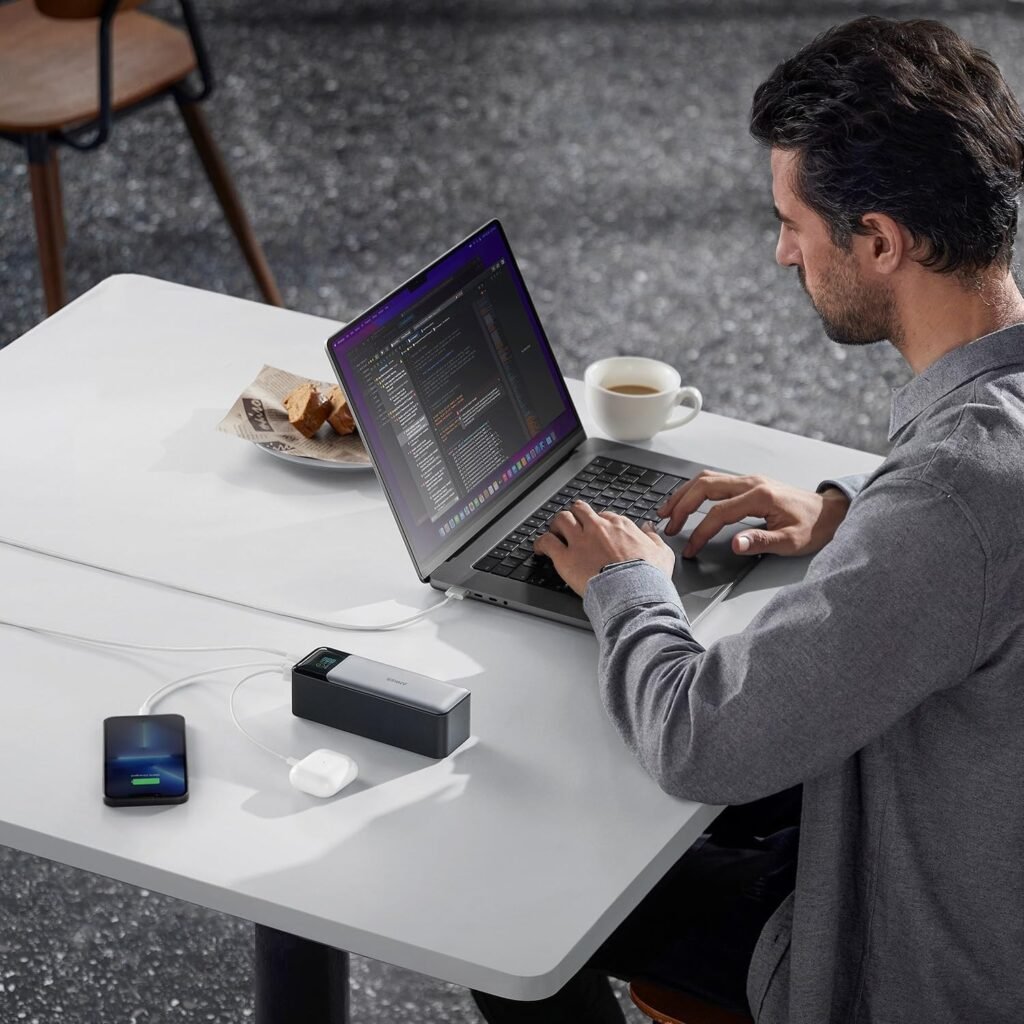
Discounts and promotions can also play a significant role in assessing value for money. Both models often feature seasonal sales or bundled deals that can enhance their attractiveness. For potential buyers, it is advisable to monitor retail platforms for price reductions that may make the higher-end Anker 737 more accessible.
Ultimately, the decision between the Anker 737 and Anker 548 should depend on individual needs. For casual users with moderate charging requirements, the Anker 548 presents a compelling option that balances affordability with functionality. Conversely, for individuals whose lifestyle relies heavily on high-speed charging and versatility, investing in the Anker 737 may be worth the higher price tag. Careful consideration of personal usage scenarios will help guide the best choice for consumers.
While the Anker 737 is sleek enough for a backpack, the Anker 548’s massive capacity is better suited for family road trips. It ensures you have enough juice to keep multiple devices running, which is essential if you’ve recently followed our Amazon Fire 7 Kids Tablet Review and need to keep the little ones entertained for hours.

- Power Through Your Day: With a 24,000mAh capacity, this laptop power bank can charge an iPhone 16 Pro 4.13 times or a 20…
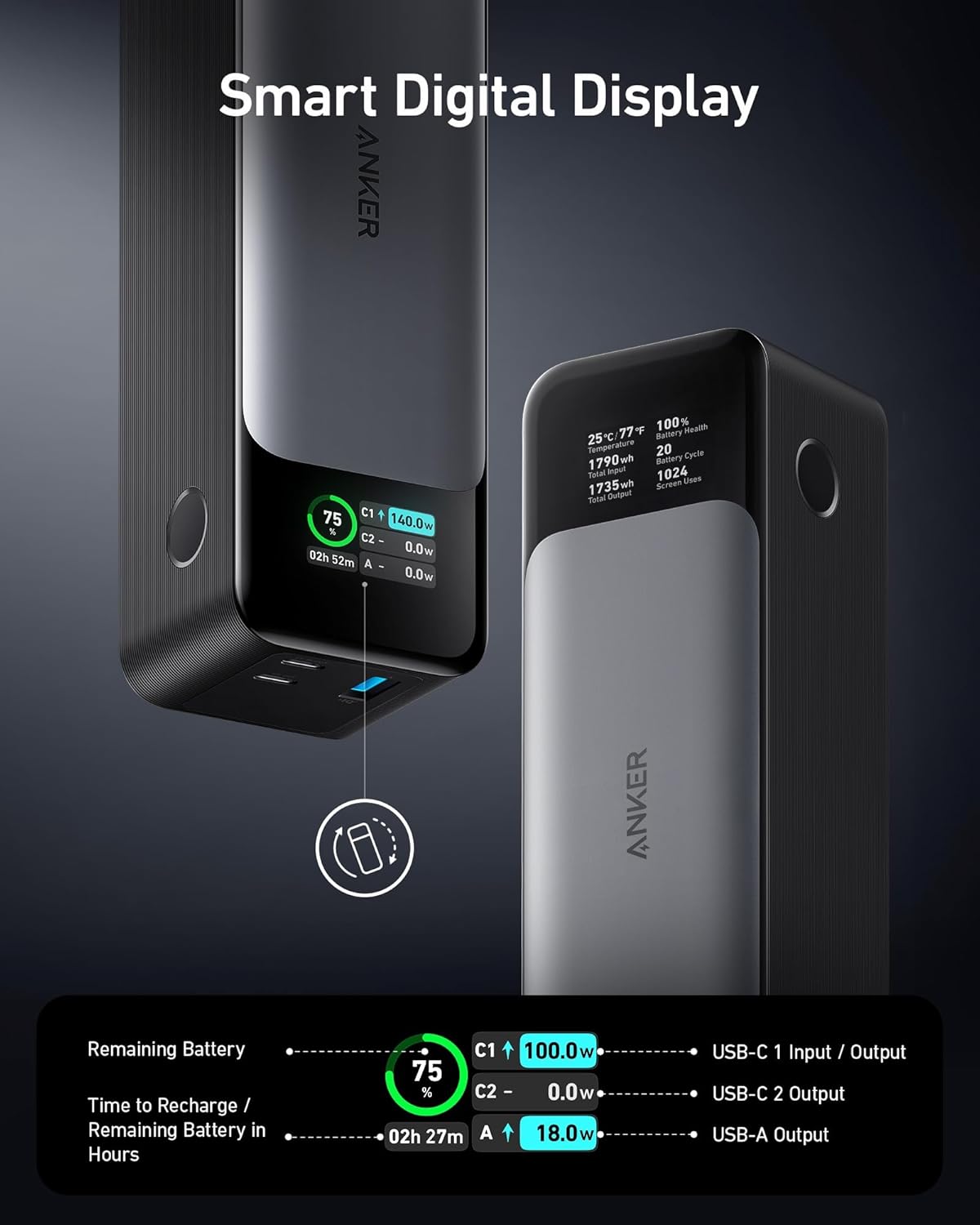
- Intelligent Charge Monitoring: The smart digital display on this laptop power bank provides real-time insights on output…
- Rapid Two-Way Charging: Experience fast power delivery with 140W charging capability using Power Delivery 3.1 technology…